October 2026 • 10 min read
If you only have a week on São Miguel, do these five: watch sperm whales from Ponta Delgada, soak in the thermal pools of Furnas after dark, stand on the Vista do Rei viewpoint above the twin lakes of Sete Cidades, eat a cozido cooked in the volcanic ground, and walk the Lagoa do Fogo rim. With a second island, add the climb of Mount Pico or the UNESCO streets of Angra do Heroísmo.
Below are fifteen experiences across the nine islands, each with the island, the season and, where it exists, the tour you can book. For island-by-island detail, the links at the end go to our full guides for São Miguel, Terceira, Pico and the others.
1. Whale Watching With Resident Sperm Whales (All Islands)
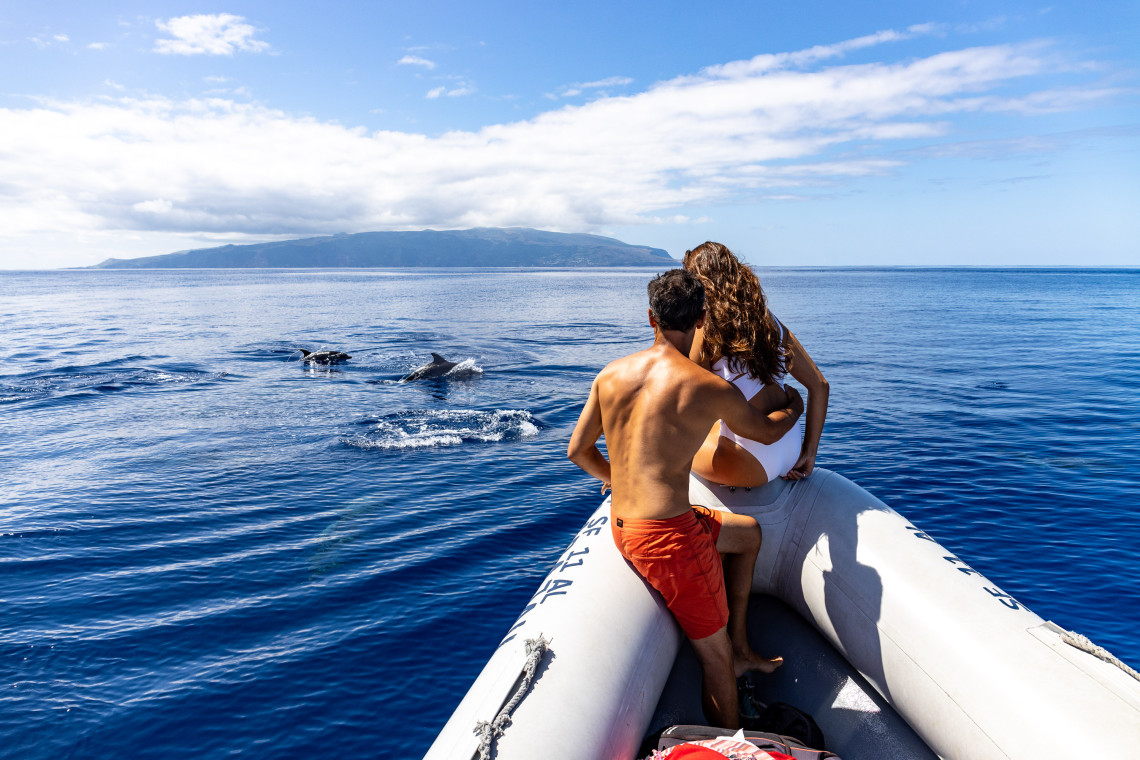
The Azores are one of the few places on earth where sperm whales live year-round within an hour of the harbour, and where blue, fin and sei whales pass through on migration in spring. Licensed boats leave Ponta Delgada, Vila Franca do Campo, Lajes do Pico, Madalena, Horta and Angra; a half-day trip usually finds several species, and April and May are the months for the giants. Boats keep 50 metres from the animals under regional law, so choose an operator that follows it and, if you can, one with a biologist on board.
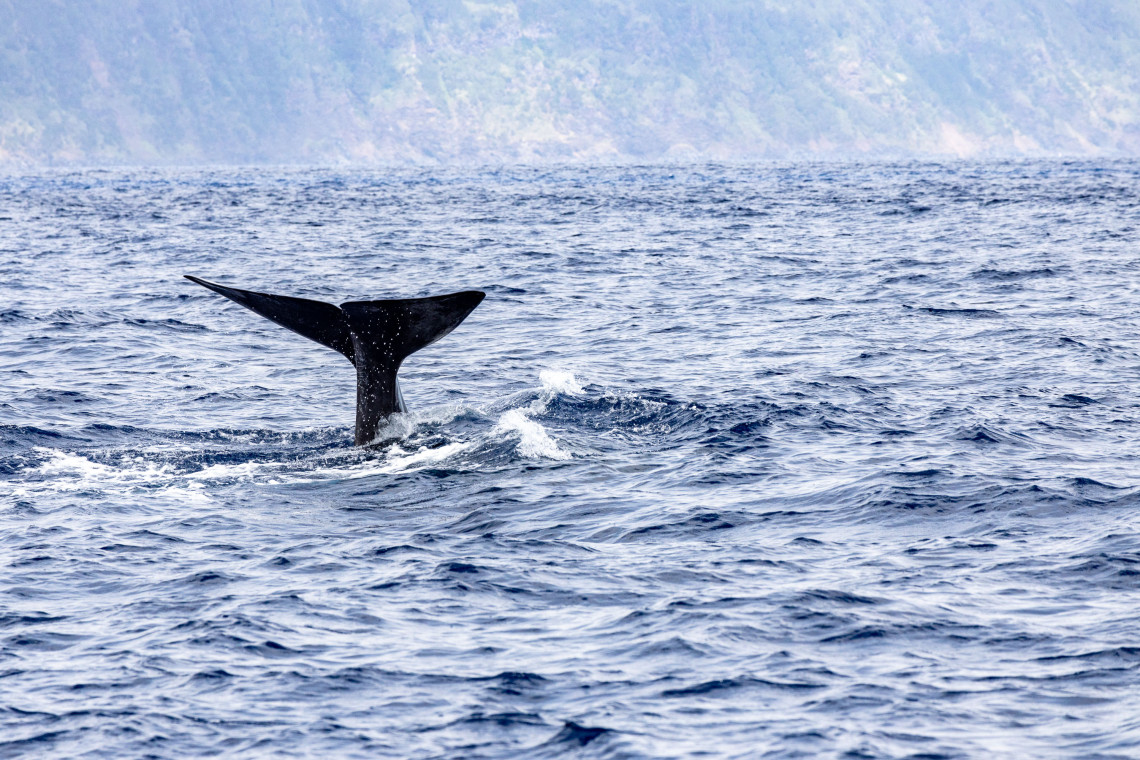
WHALE WATCHING FROM PONTA DELGADA
Half-day catamaran trip with a marine biologist, or a faster RIB for people who want to be close to the water.
Book whale watching →2. Hot Springs at Night in Furnas (São Miguel)
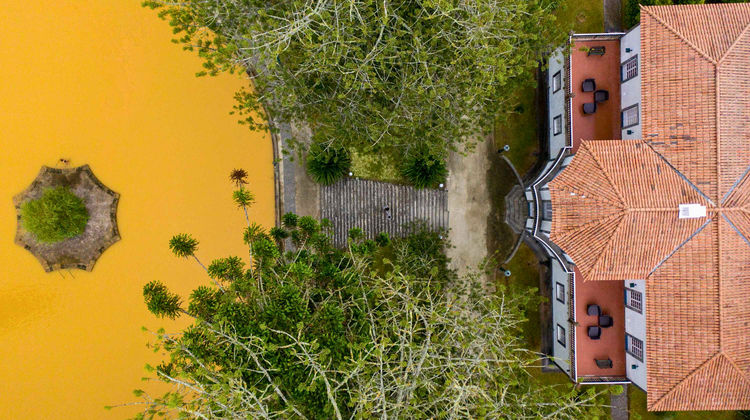
Furnas is a volcanic valley an hour from Ponta Delgada where the ground steams and the pools run warm. Poça da Dona Beija is a set of iron-rich pools at around 39°C, lit after dark and open late; Terra Nostra Park has a huge ochre thermal pool inside a 12-hectare botanical garden; and Caldeira Velha, in the forest on the road to Lagoa do Fogo, has a warm waterfall pool. Go to Dona Beija in the evening after the day-trippers leave, bring dark swimwear (the iron stains) and expect one of the best hours of your trip.
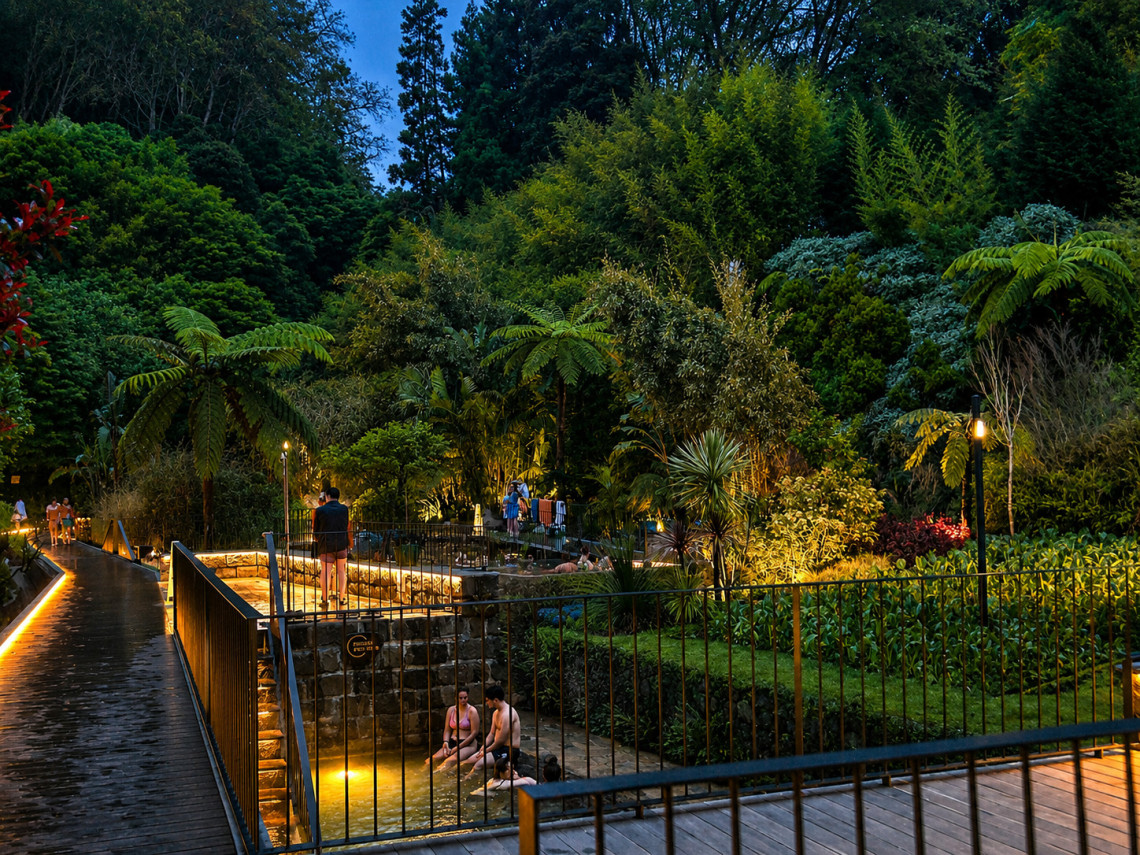
♨️ POÇA DA DONA BEIJA
Timed entry to the Furnas thermal pools, with towel and locker included.
Book Dona Beija →3. The Twin Lakes of Sete Cidades (São Miguel)
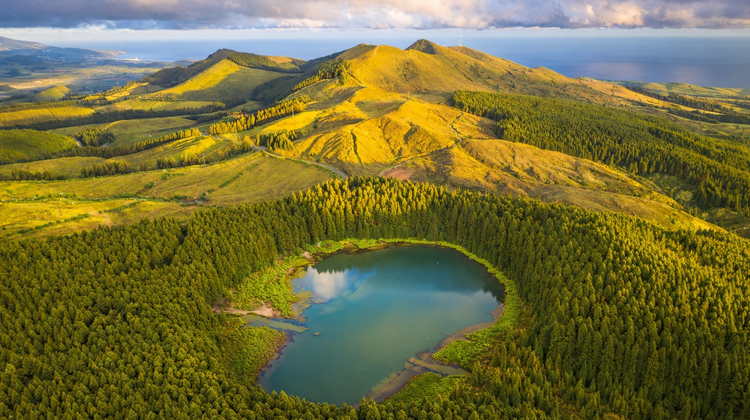
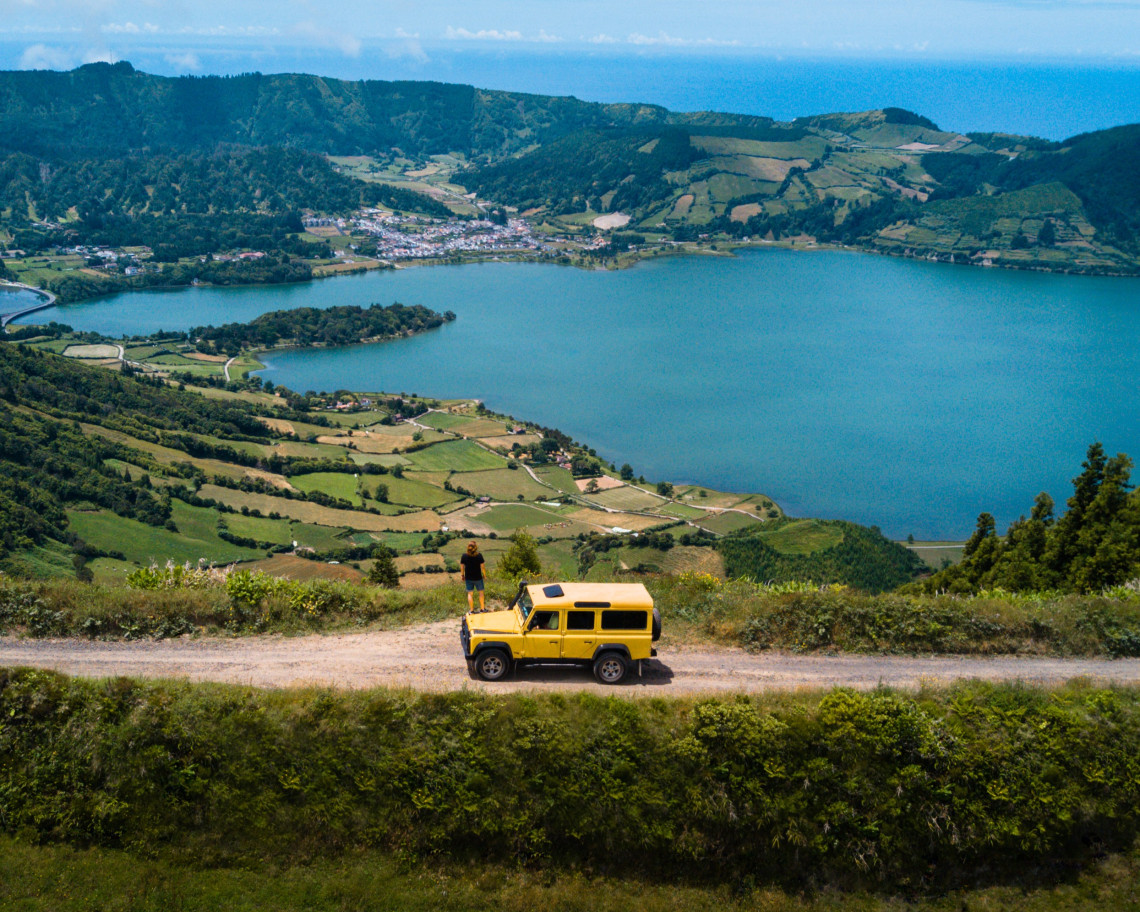
The view from Vista do Rei over the blue and green lakes in the Sete Cidades caldera is the photograph that sells the Azores, and it is better in person. Arrive before 10 am or after 4 pm for light and space, then walk part of the crater rim: the trail from Vista do Rei towards the Boca do Inferno viewpoint, past Lagoa do Canário, is the best two hours of easy walking on the island. Kayaks and SUP boards rent by the hour on the green lake below.
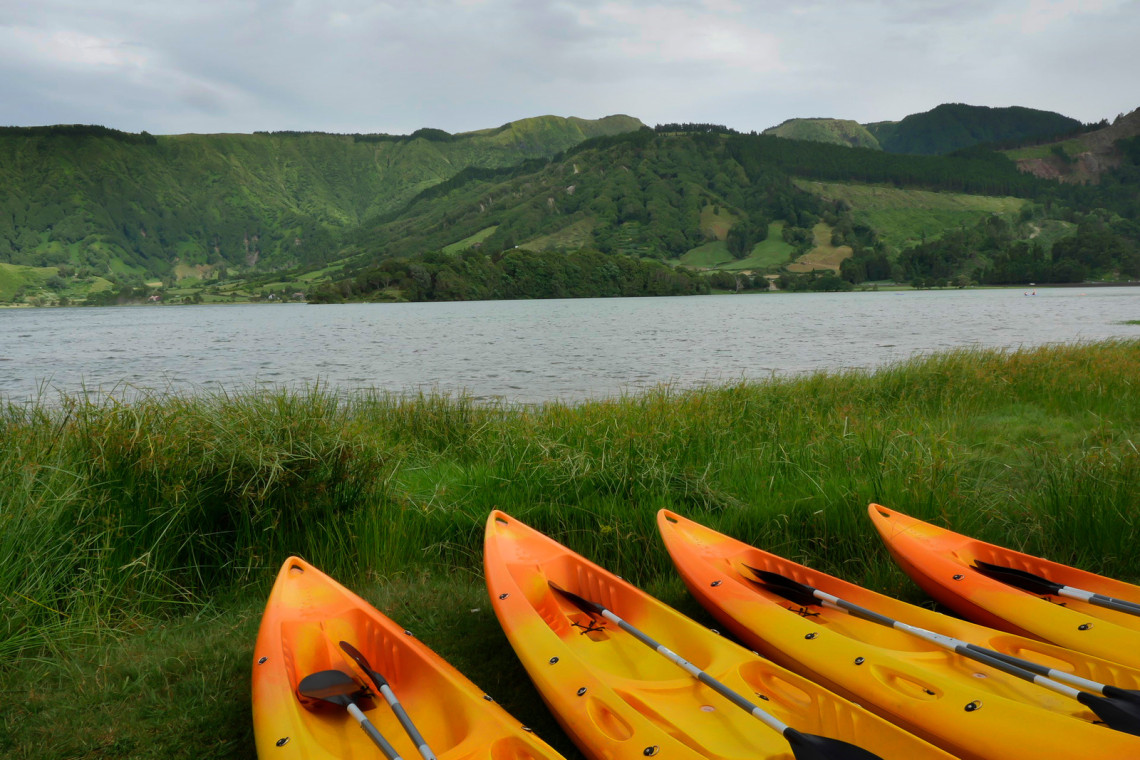
GUIDED HIKE TO BOCA DO INFERNO
A small-group walk along the Sete Cidades rim with a local guide, transfers included.
Book the Sete Cidades hike →4. Cozido Cooked in the Ground (São Miguel)
At the Furnas caldeiras, restaurants bury pots of meat, sausages, cabbage, yams and potatoes in the hot volcanic soil at dawn and dig them up six hours later for lunch. Watching the pots come out of the steaming ground at around 12:30 is half the experience; eating the cozido at a table by the lake is the other half. Book the restaurant or a guided version that includes the lifting of the pots.
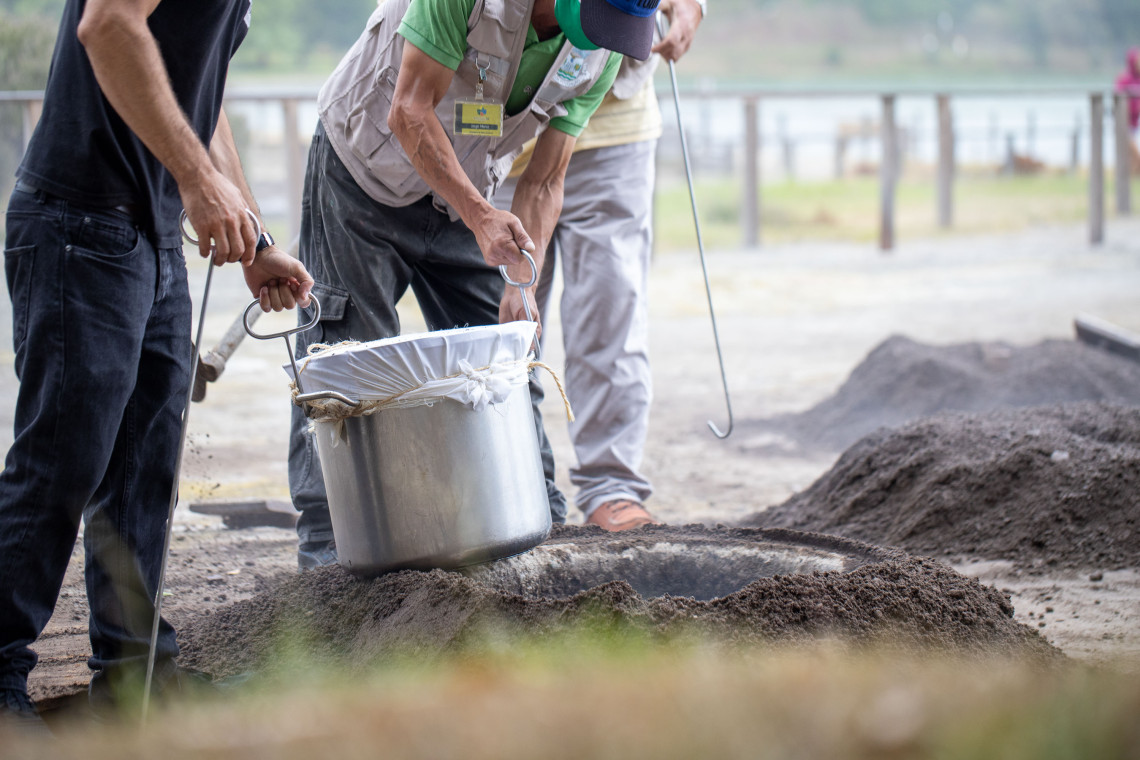
COZIDO DAS FURNAS EXPERIENCE
See the pots lifted from the caldeiras and sit down to the full cozido lunch with a local guide.
Book the cozido experience →5. Lagoa do Fogo (São Miguel)
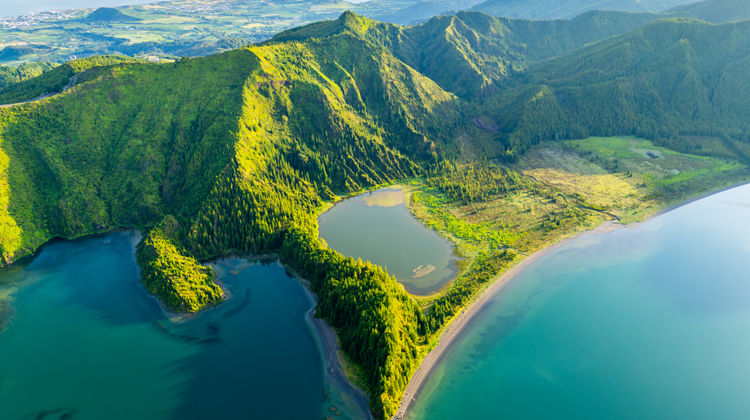
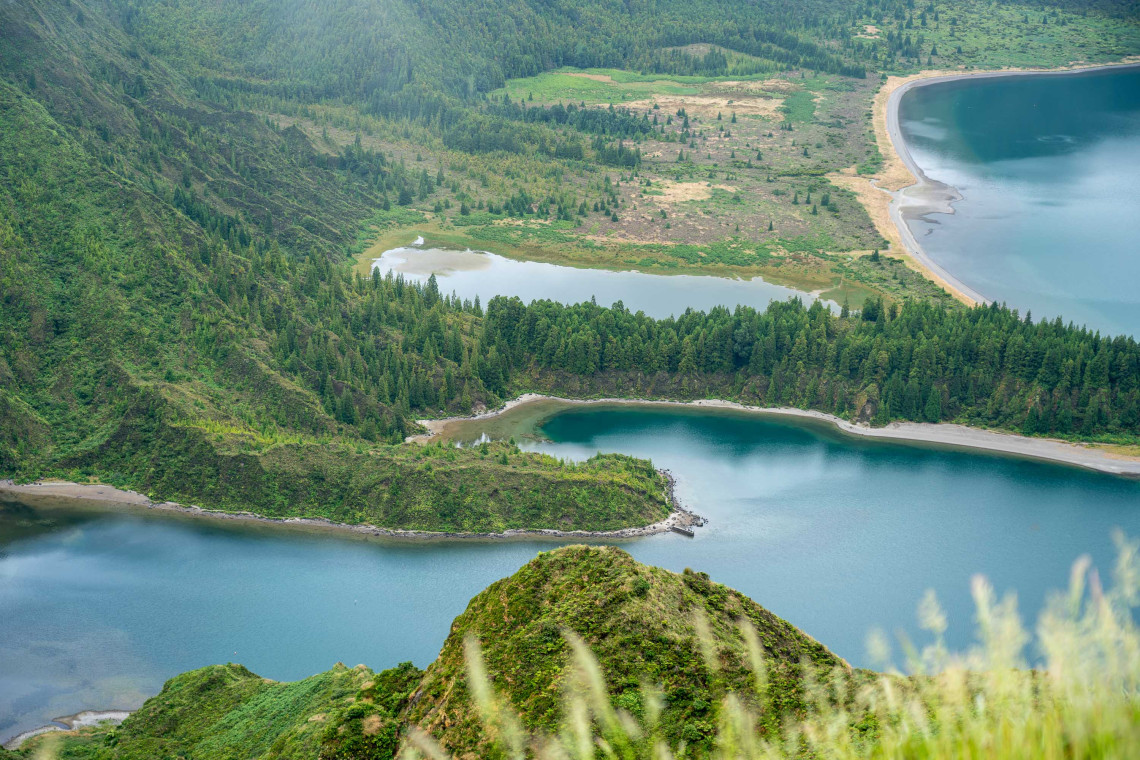
The Fire Lake sits in a caldera at 575 metres in the centre of São Miguel, with no buildings on its shores and a white sand beach at the bottom of the trail. The viewpoint on the road from Ribeira Grande is the easy option; the walk down to the lake and back takes about two hours and is the best short hike on the island. Clouds sit on the rim often, so check the webcam or the sky before driving up, and combine it with Caldeira Velha on the way down.
6. Climbing Mount Pico (Pico)
Portugal's highest mountain, 2,351 metres, is a seven to eight hour round trip from the Casa da Montanha at 1,200 metres, with a mandatory registration and a GPS tracker. The final scramble up the Piquinho cone at the summit, with steam venting from the rock and the whole central group of islands laid out below, is the single most memorable thing most hikers do in the Azores. Go with a guide unless you have real mountain experience; night climbs for sunrise are popular in summer.

7. The Vineyards and Wines of Pico (Pico)
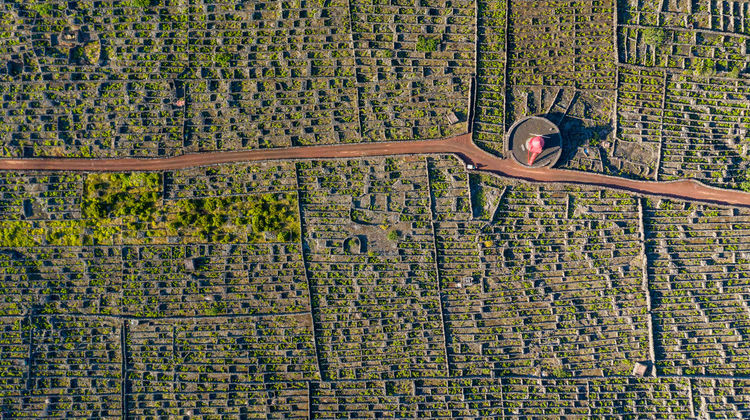
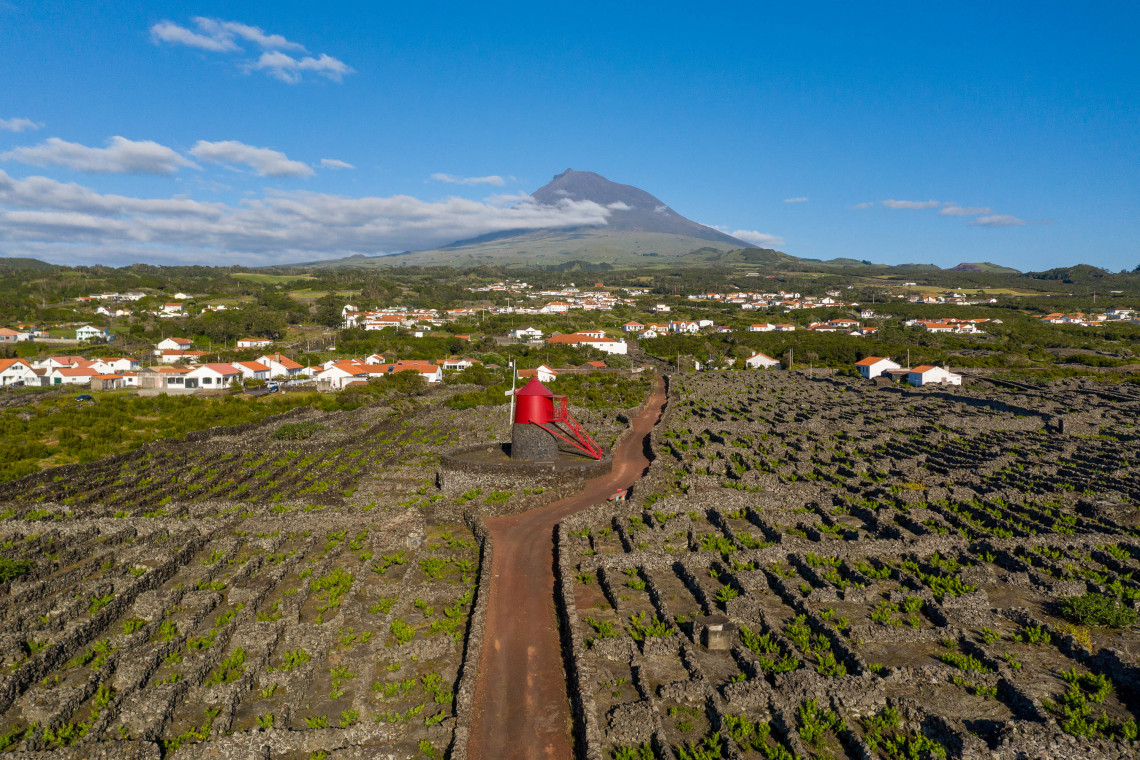
The lava-walled vineyard landscape of Criação Velha and Santa Luzia is a UNESCO World Heritage Site, and the wines made inside those walls, dry whites from Arinto dos Açores, Verdelho and Terrantez do Pico, are among the most distinctive in Portugal. Walk the marked trail through Criação Velha to the red windmill, visit the Wine Museum in Madalena, taste at the cooperative, and swim in the natural pools below the vines afterwards.
8. Angra do Heroísmo (Terceira)
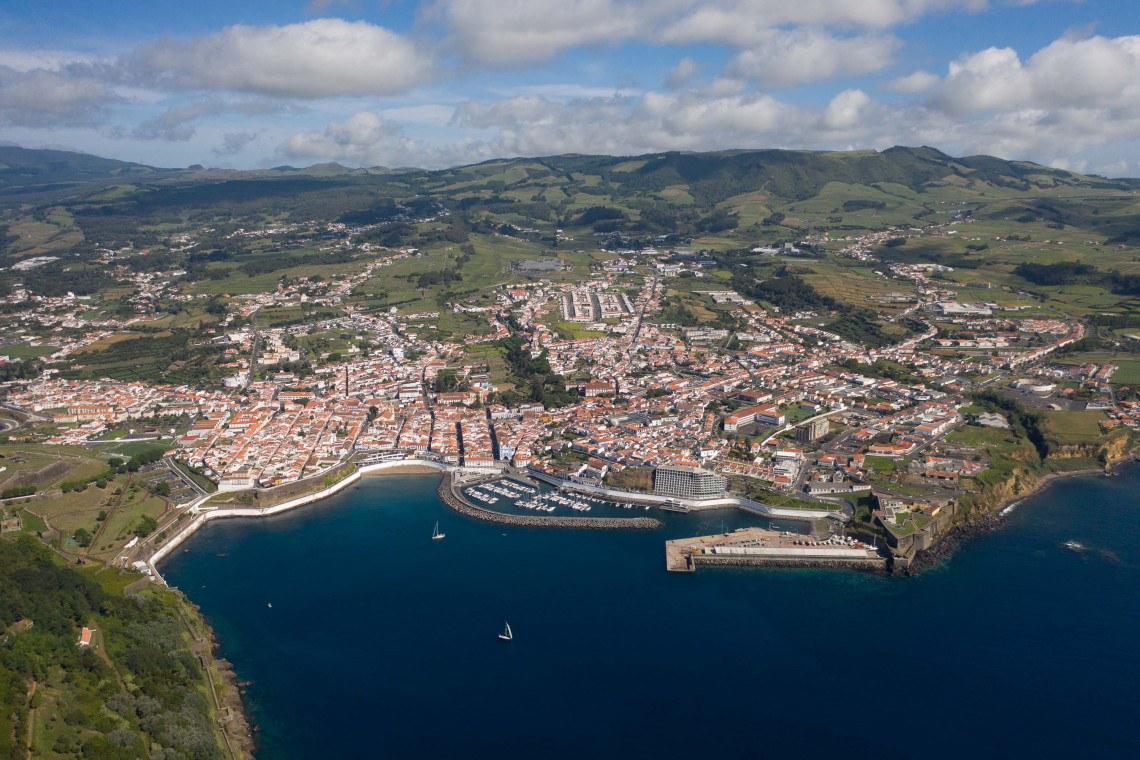
The first UNESCO World Heritage Site in the Azores (1983) is a Renaissance port town of pastel streets, a Baroque cathedral and two fortresses, rebuilt faithfully after the 1980 earthquake. Walk it in a morning, climb Monte Brasil for the view, and stay for dinner: Angra has the best restaurant row in the archipelago. Terceira also has the Algar do Carvão, a volcanic chimney you walk down inside, and the Serra do Cume viewpoint over a patchwork of stone-walled fields.
9. Canyoning Down a Waterfall (São Miguel, Terceira, Flores)
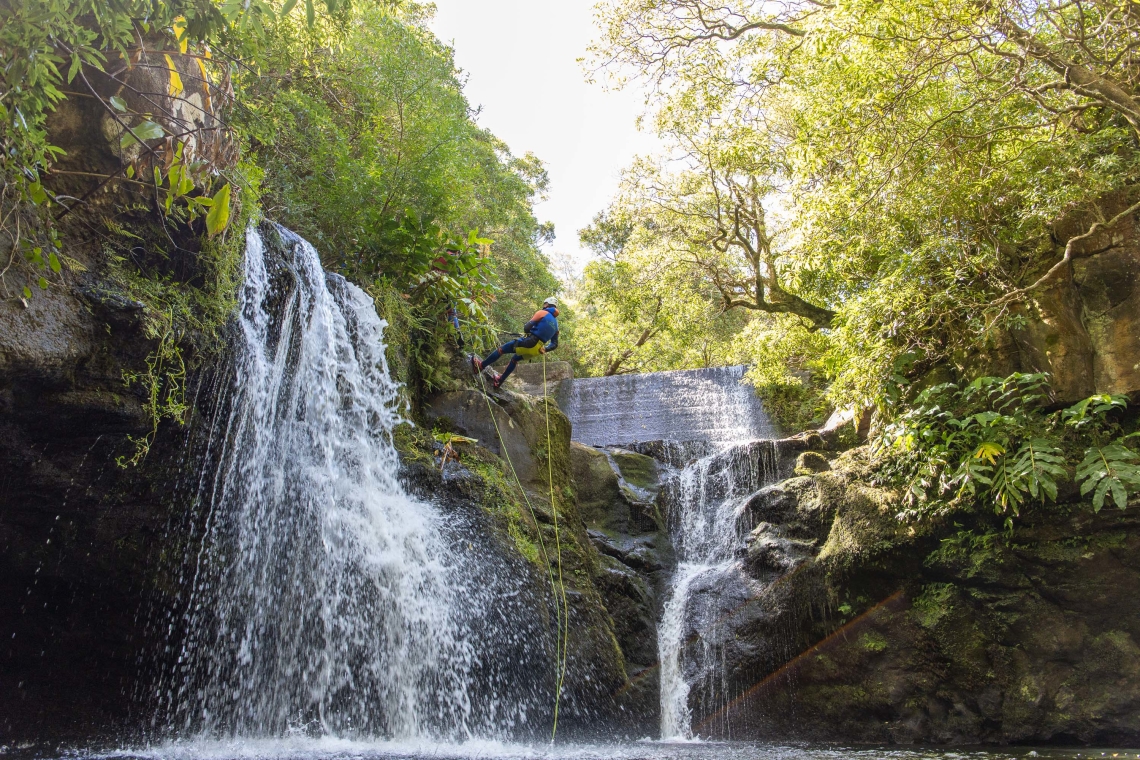
Canyoning in the Azores means descending a stream through a volcanic gorge by walking, sliding, jumping into pools and rappelling down waterfalls, with wetsuit, helmet and guide provided. Ribeira dos Caldeirões in Nordeste is the beginner canyon, Salto do Cabrito ends with a rappel beside a 40 metre waterfall, and Flores has the big ones. Children from seven can do the easy routes; no experience is needed.
FIRST-TIME CANYONING
Ribeira dos Caldeirões half day: the Level 1 canyon of São Miguel, all equipment included.
Book canyoning →10. Tea, Pineapples and Cheese (São Miguel and the Islands)
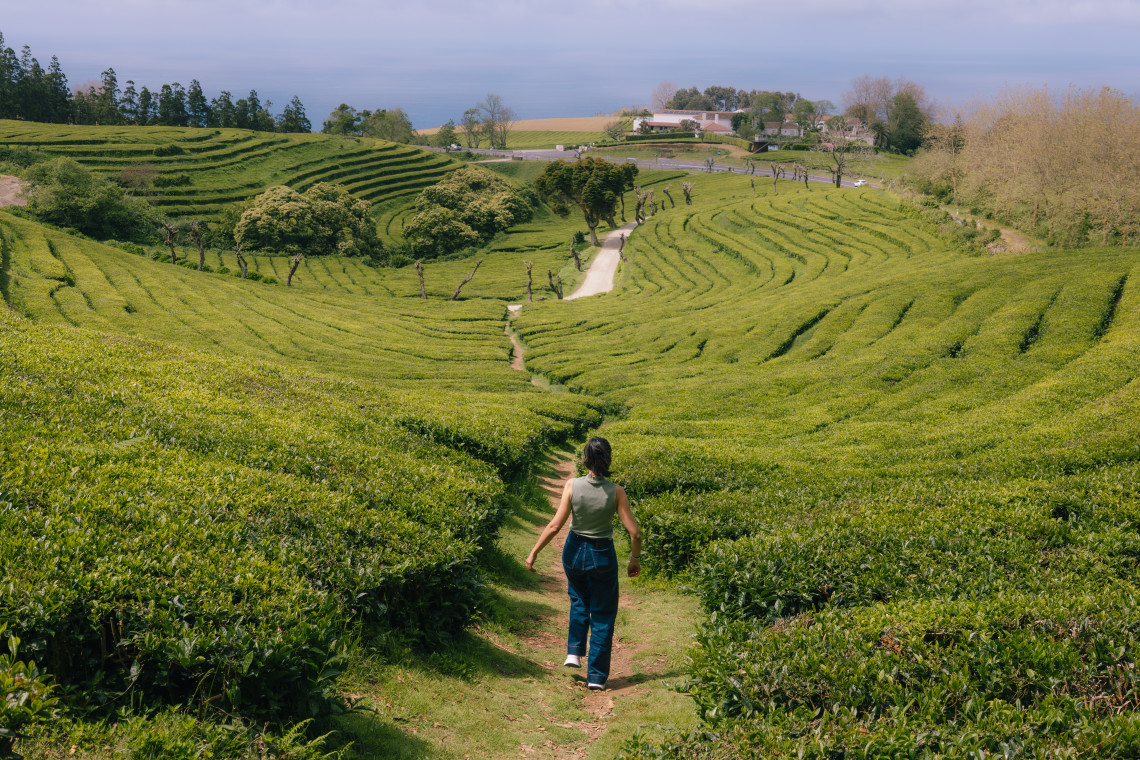
Europe's only tea plantations, Gorreana and Porto Formoso, sit on São Miguel's north coast and are free to walk through; the Gorreana factory has run since 1883 and the café overlooks the rows. In Ponta Delgada's suburbs, pineapples grow slowly in white glasshouses you can visit, and across the islands the cheese ranges from the aged raw-milk wheels of São Jorge to the soft Queijo do Pico. A cheese and wine tasting in Ponta Delgada covers several islands in one sitting.
AZOREAN CHEESE AND WINE TASTING
Cheeses from São Jorge, Pico, Terceira and São Miguel paired with island wines, in the centre of Ponta Delgada.
Book the tasting →11. Sunset From a Boat (São Miguel)
The south coast of São Miguel faces west enough to make a late sailing from Ponta Delgada or Vila Franca do Campo, with the islet of Vila Franca in the foreground, a reliable end to a day. Sailing boats and RIBs run two to three hour sunset trips, often with a glass of Pico wine, and private charters are priced per boat rather than per person, which makes them affordable for a group or a couple.
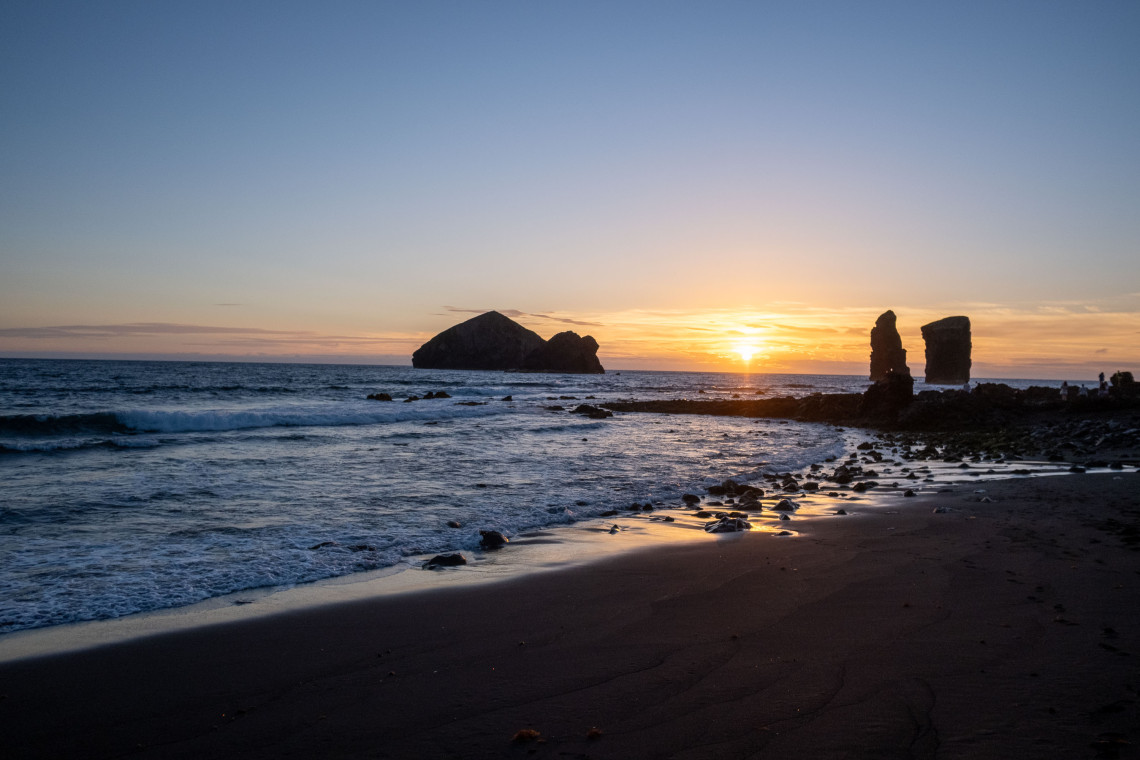
12. Swimming in Natural Lava Pools (All Islands)
Every island has them: rock pools carved by lava and filled by the Atlantic, with ladders, a concrete deck and a bar in summer. Biscoitos on Terceira, Ferraria on São Miguel (where a hot spring meets the sea at low tide), Mosteiros on the west coast of São Miguel, Varadouro on Faial and the pools of Pico's north coast are the classics. Watch the swell before getting in and check for a flag.
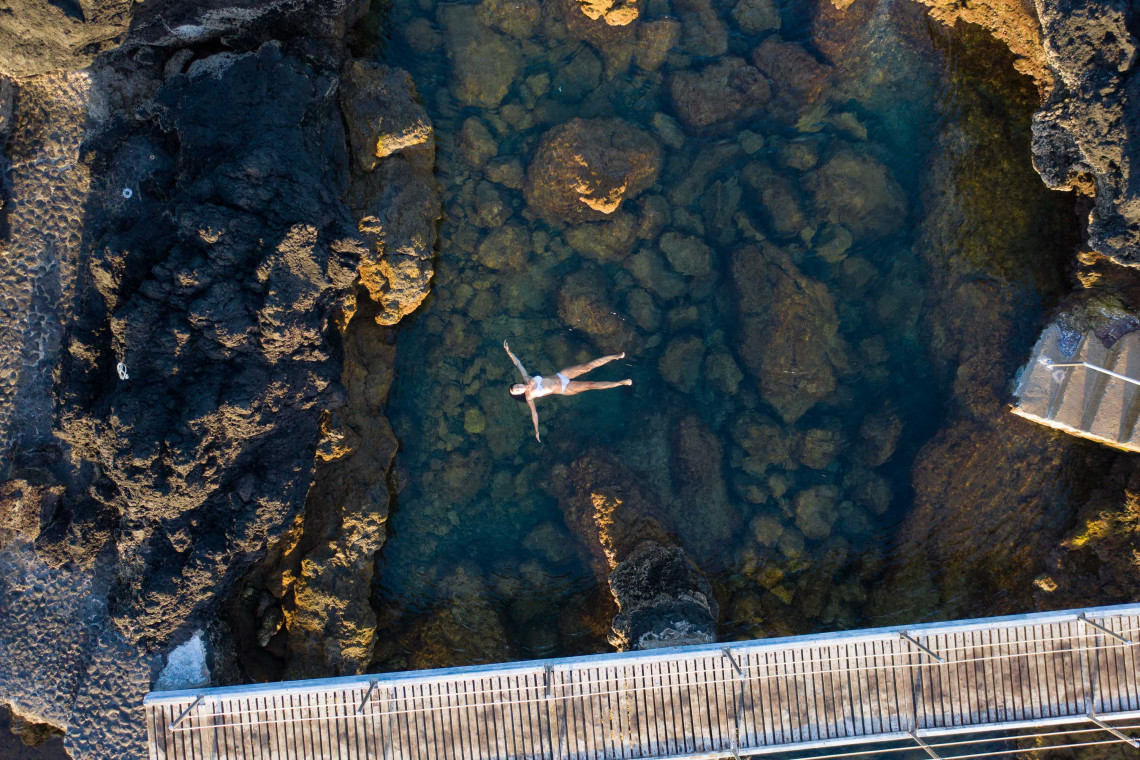
13. Diving and Snorkelling (Santa Maria, Pico, Faial, São Miguel)
The Gulf Stream brings warm, clear water and big animals: mobula rays at the Ambrósio seamount off Santa Maria in summer, blue sharks on offshore trips from Pico and Faial, and reef dives with groupers, barracuda and moray eels everywhere. Visibility of 20 to 30 metres is normal from June to October. Snorkellers can swim with wild dolphins under strict rules from several ports.
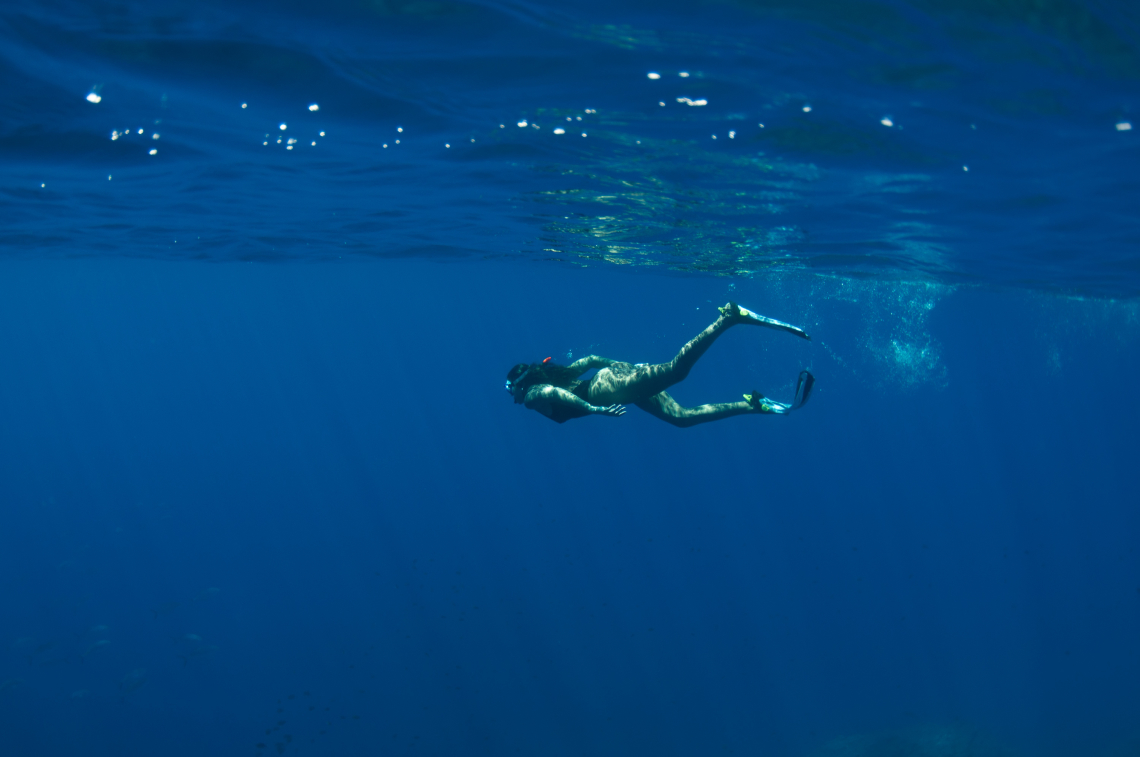
14. The Western Islands: Flores and Corvo
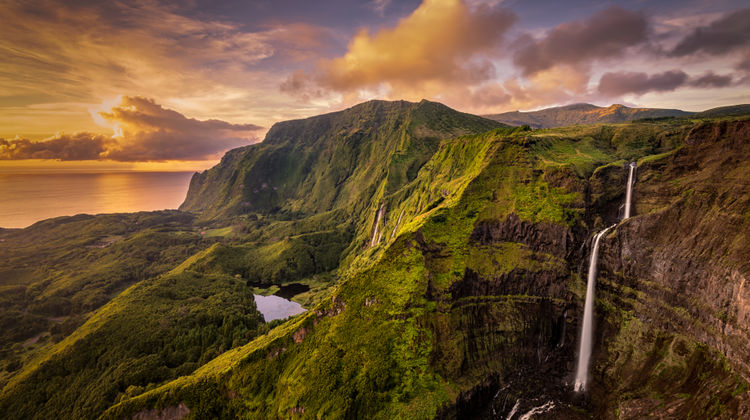
Flores is the waterfall island, where cliffs streaked with cascades drop into the sea at Fajã Grande and the Poço da Ribeira do Ferreiro gathers a dozen falls above a dark pool. Corvo, across the channel, is one village and one caldera. Both are UNESCO Biosphere Reserves, both require an extra flight, and both reward anyone who has already seen São Miguel and wants the Azores with the volume turned down.
15. A Jeep or Van Tour on Your First Day (São Miguel)
It is not glamorous, but the best first day on São Miguel is a full-day guided tour to Sete Cidades or Furnas in a jeep or van. You learn the roads, the weather patterns and the viewpoints from someone who drives them daily, you get to the places you would not find alone (the dirt tracks on the Sete Cidades rim), and you spend the rest of the week knowing where to go back to with your rental car.
Which Island for Which Experience
São Miguel covers numbers 1 to 5, 9 to 12 and 15: it is the island for a first trip and for anyone with a single week. Our São Miguel guide lists every sight by region.
Pico is for the mountain and the wine (6 and 7), plus the best whale watching port at Lajes and the most dramatic diving.
Terceira is for Angra, the lava tube and the pools of Biscoitos (8 and 12), with the liveliest festivals in summer.
Faial and São Jorge, reached by ferry from Pico, add the Capelinhos volcano, Horta's marina and the fajãs and cheese of São Jorge.
Santa Maria is the sunniest island, with the archipelago's only white sand beach and the mobula dives (13).
Flores and Corvo are number 14, for second visits and for people who want the wild end of the map.
Plan it your way
Custom Your Trip
Tell our local travel advisors which islands, dates and experiences you want and we build the itinerary around you.
Start your custom trip →Limited time
Azores Packages On Sale
Flights, hotels and rental car bundled at reduced prices. See every package currently on sale and book while it lasts.
Book now →
Things to Do in the Azores: FAQ
What is the number one thing to do in the Azores?
Whale watching. The Azores have resident sperm whales all year and migrating blue, fin and sei whales in spring, with licensed boats from most islands. Sete Cidades and the Furnas hot springs are the two land experiences nobody should miss on São Miguel.
How many days do you need in the Azores?
Seven nights on São Miguel covers the main experiences on this list. Ten to twelve nights lets you add Pico (with Faial by ferry) or Terceira.
Which Azores island has the most things to do?
São Miguel, by a wide margin: crater lakes, hot springs, tea plantations, whale watching, canyoning, hiking and the best restaurants, all within an hour's drive of Ponta Delgada.
Can you swim in the Azores?
Yes, from June to October in natural lava pools, black sand beaches and the hot spring at Ferraria where warm water meets the sea. Water temperature peaks at around 23°C in August and September.
Is the Azores good for hiking?
Very. There are more than 80 official marked trails across the islands, from the easy Sete Cidades rim to the climb of Mount Pico, Portugal's highest mountain.
What is there to do in the Azores when it rains?
Hot springs (rain improves them), the Gorreana tea factory, the Wine Museum on Pico, the Algar do Carvão lava tube, Angra's churches and museums, a cheese and wine tasting, and the cozido lunch at Furnas.
Do you need a car to do these things?
Yes, on every island. The lakes, trailheads, pools and viewpoints are not on bus routes. Guided tours with pick-up are the alternative for individual days.
Are the Azores good for families?
Yes: whale watching, the thermal pools, the Caldeirões canyon from age seven, lake kayaking and the lava pools all work for children, and distances are short.
.jpg "Jeep tour through Cumeeiras, Sete Cidades, São Miguel Island")
.jpg "Sete Cidades Caldera Lakes in São Miguel Island, Azores")