October 2026 • 7 min read
Santa Maria eats like the dry, sunny, southern island it is: pork preserved in earthenware and smoked into alheiras, bread soups cooked in iron pots for the Holy Spirit festivals, a melon with its own protected designation, ear-shaped biscuits, grilled fish and limpets by the water, and a perfumed local wine from the terraces of Maia and São Lourenço. The restaurants are in Vila do Porto; the best lunches are at the bars by the sea at Anjos, São Lourenço and Praia Formosa.
This guide covers the island's dishes, sweets and drinks, the restaurants worth planning around, and where to buy products to take home. For sights and activities, see our Santa Maria itinerary and tours pages.
Alheira de Santa Maria: The Island's Own Sausage
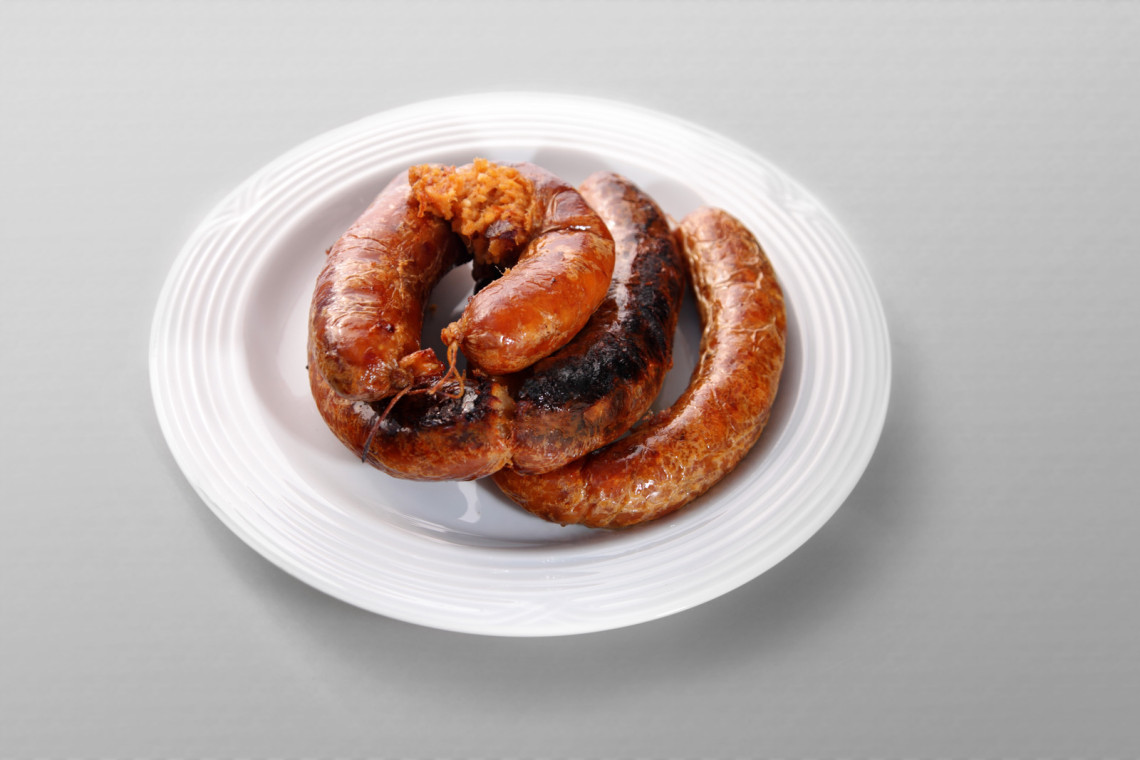
Ask what to eat in Santa Maria and islanders answer alheira first. It shares a name with the famous smoked sausage of Mirandela on the mainland, but the Santa Maria version is its own thing: pork offal from the head, skin and trimmings, cooked, finely chopped and mixed with bread and spices, stuffed into natural casings and smoked over wood. It is a pig-slaughter food, made in winter in family kitchens and now by a few small producers year-round, and it tastes smokier and earthier than the mainland alheira, which leans on poultry and garlic.
On menus it arrives grilled or fried, traditionally with chips and a fried egg on top, sometimes with boiled yams. It is heavy, cheap and the single most Mariense dish you can order. Buy vacuum-packed alheiras at the Agromariense cooperative shop or the island's butchers to take home; they travel well.
Pork, Pots and Festival Food
Santa Maria's traditional cooking comes out of the cast-iron pot and the pig. Caçoila, also called molho de fígado, is pork loin, cheek and liver marinated in wine and spices and stored under rendered fat in earthenware, then stewed; it is the dish of the August festivities and of Sunday lunches. Bolo na panela layers pork, sausage, bacon, cornmeal cakes, cabbage and potatoes in one pot. Caldo de nabos da terra is a broth of the island's own small turnips with pork, chouriço, bacon and sweet potato, served over home-made bread. Molhos are pork pouches, pig skin sewn around a filling of pork, bacon, rice, onion and garlic and simmered.
The dish most visitors meet is sopas do Espírito Santo, the bread soup of the Holy Spirit festivals that run parish by parish from Easter into summer: wheat bread soaked in beef broth with mint and dill, served with the boiled meat and cabbage and a glass of local wine, free to anyone who sits down at the long tables beside the império chapels. If your visit coincides with a festa, go; it is the island's hospitality in a bowl.
SANTO ESPÍRITO AND MAIA WITH LUNCH
Half-day guided walk through the most traditional parish and the Maia vineyard terraces, with a local lunch included.
Book the hike with lunch →Fish, Limpets and Barnacles
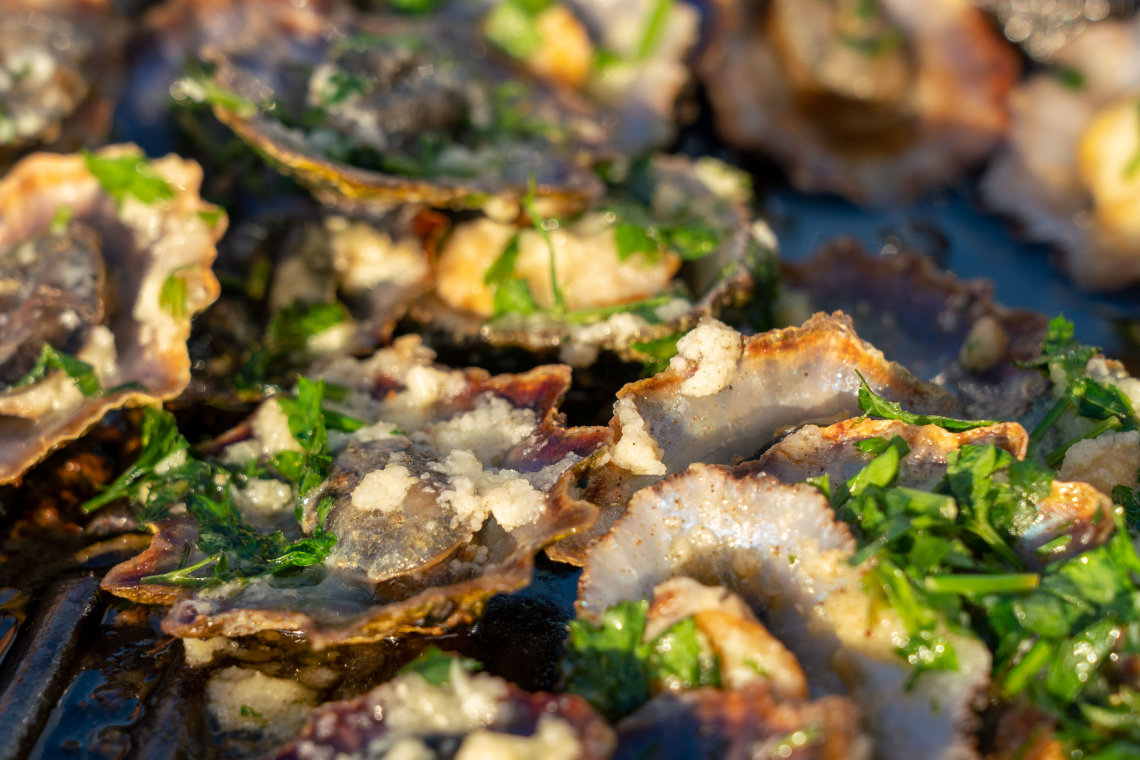
Vila do Porto's harbour lands the day's fish, and the restaurants grill it simply: amberjack, grouper, wreckfish, bream, red snapper, conger and, in season, bluefin tuna, served with boiled potatoes and a salad. Fish soup (sopa de peixe) and caldeirada, a stew of several fish with potatoes, peppers and bread, are the two traditional preparations. From the rocks come lapas (limpets), grilled in their shells with garlic butter and a squeeze of lemon, and cracas (barnacles), boiled and picked out with a pin, both strictly seasonal and licensed. Slipper lobster and spiny lobster appear on menus when the boats bring them in.
Meloa de Santa Maria: A Melon With a Passport
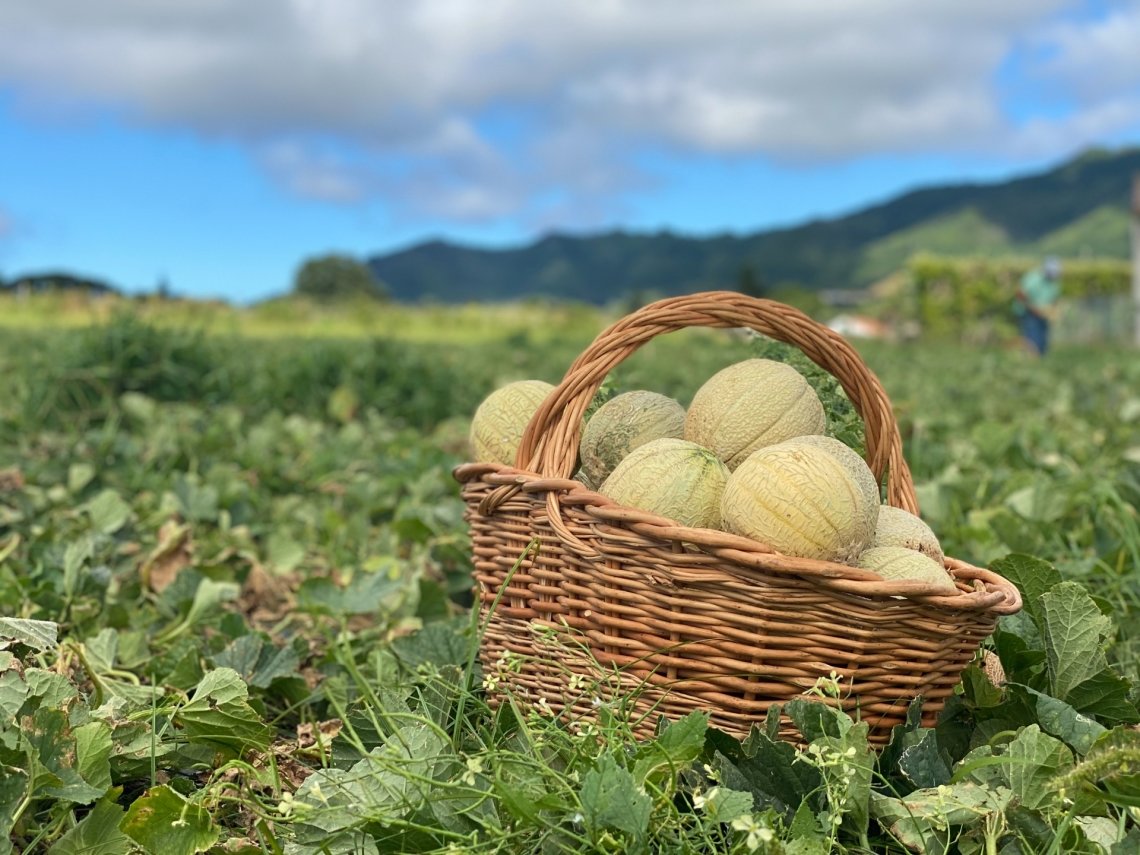
The island's dry summers and sandy soils grow a cantaloupe-type melon, round to oval, with a netted green skin that turns yellow-green when ripe and orange, aromatic, very sweet flesh. Since 2015 it has carried a Protected Geographical Indication (IGP), the only fruit in the Azores with one, and it is harvested in high summer when the skin cracks around the stem. Eat it plain, in fruit salads and sorbets in the restaurants of Vila do Porto, or buy whole melons and meloa jam and honey at the Agromariense cooperative, which groups the island's producers.
Sweets: Biscoitos de Orelha and the Rest
Santa Maria's biscuit tradition is the richest in the Azores. Biscoitos de orelha, ear biscuits, are triangles of flour, egg, lard, butter and sugar with the corners snipped with scissors so they curl like ears in the oven; they were certified as collective craft heritage in 2014 and appear at every festa, wedding and Christmas, when godparents give godchildren an oversized one. Cavacas are hollow, crisp rounds glazed in sugar syrup; Júlias are ball-shaped biscuits layered with egg yolk, sugar and cinnamon; biscoitos encanelados are coated in syrup after baking; biscoitos de aguardente are made with brandy and bake wrinkled. Suspiros (meringues) and melindres complete the tray, and papas de cachão, a coarse cornmeal and milk porridge served with sugar or cream, is the old-fashioned breakfast or dessert. The handicraft cooperative bakery in Santo Espírito sells biscuits still warm, with the looms working at the back.
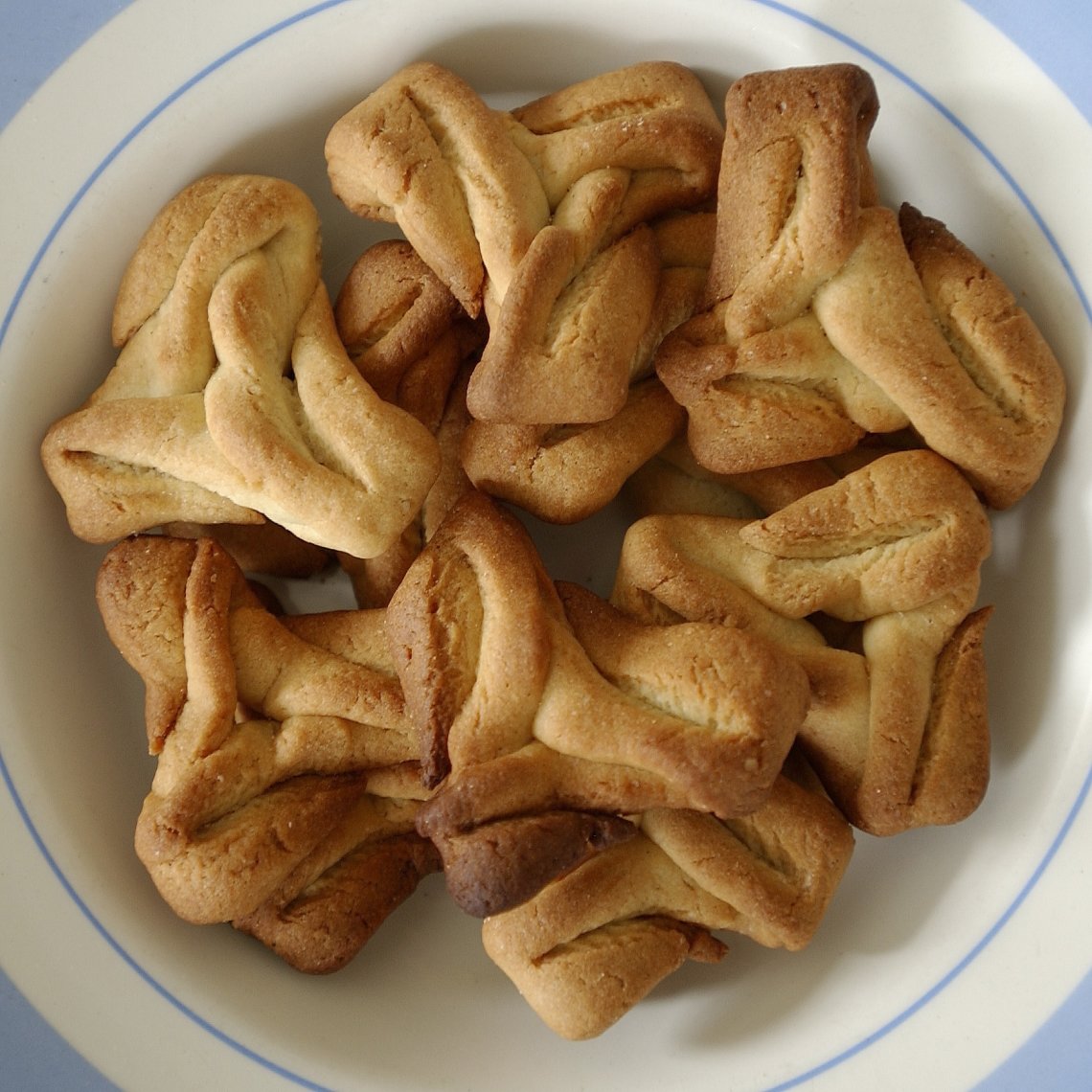
Biscoitos de Orelha, Santa Maria, Azores, Portugal
Wine and Liqueurs
The terraced vineyards walled in black stone above Maia and São Lourenço produce vinho de cheiro, "scented wine", from American hybrid vines, mostly Isabella: low in alcohol, slightly sweet, intensely perfumed, and drunk young at festivals rather than cellared. A few producers now make dry table wines from the same terraces. The island also makes aguardente (grape spirit), vinho abafado and bastardinho (fortified sweet wines), and liqueurs from blackberries, figs, fennel, citrus and even milk, poured as digestifs in the restaurants of São Lourenço and Vila do Porto.
Where to Eat
Vila do Porto has the island's restaurants. Mesa d'Oito, in the Charming Blue hotel on Rua Teófilo Braga, does a modern Azorean menu with good vegetarian options and desserts, and is the place for a special dinner. O Tibério is the traditional address for alheira, caçoila and grilled fish; Cantinho da Vila for home cooking in a small room; the Clube Naval restaurant at the harbour for shellfish with a view of the boats; and Central Pub for petiscos, pizzas and a late drink. Book in July and August.
By the sea, the lunches are simpler and better placed. Bar dos Anjos sits beside the Anjos pools and the Columbus chapel, Restaurante Ponta Negra in São Lourenço has the terraced bay in front of it and the island's liqueurs behind the bar, O Paquete is on the sand at Praia Formosa for a sunny-day lunch, and Prazeres in Maia is the coffee stop on the Grande Trilho. In the interior, the café at Pico Alto and the Santo Espírito cooperative bakery break up a day of driving.
Kitchens close early outside summer and several places shut for a weekday; check before driving across the island for dinner.
FULL-DAY TOUR WITH LUNCH INCLUDED
See the whole island with a local guide and sit down to a traditional lunch along the way.
Book the tour with lunch →What to Bring Home
Alheiras (vacuum-packed), biscoitos de orelha and cavacas, meloa jam and island honey, a bottle of vinho de cheiro or a fig liqueur, and, if you are travelling within the EU, a whole meloa in August. The Agromariense cooperative in Vila do Porto and the Santo Espírito handicraft cooperative are the two shops to know; the Saturday market in Vila do Porto is the third.
Plan it your way
Custom Your Trip
Tell our local travel advisors which islands, dates and experiences you want and we build the itinerary around you.
Start your custom trip →Limited time
Azores Packages On Sale
Flights, hotels and rental car bundled at reduced prices. See every package currently on sale and book while it lasts.
Book now →What to Eat in Santa Maria: FAQ
What is the typical food of Santa Maria, Azores?
Pork dishes from the iron pot (caçoila, bolo na panela, caldo de nabos), the island's smoked alheira sausage, sopas do Espírito Santo at the festivals, grilled fish and limpets, the IGP meloa melon, biscoitos de orelha and vinho de cheiro.
What is alheira de Santa Maria?
A smoked sausage of cooked, finely chopped pork offal and skin mixed with bread and spices in a natural casing, traditionally made at the winter pig slaughter. It is grilled and served with chips and a fried egg, and differs from the poultry-based alheira of Mirandela on the mainland.
What is meloa de Santa Maria?
A cantaloupe-type melon grown across the island, with netted skin and sweet orange flesh, protected by a Geographical Indication (IGP) since 2015. It is in season in high summer and sold by the Agromariense cooperative.
What are biscoitos de orelha?
Ear-shaped biscuits of flour, egg, lard, butter and sugar, triangular with snipped corners that curl in the oven. They are Santa Maria's signature sweet, certified as craft heritage in 2014 and eaten at festivals and Christmas.
Where are the best restaurants in Santa Maria?
In Vila do Porto: Mesa d'Oito for a modern menu, O Tibério and Cantinho da Vila for traditional dishes, the Clube Naval for shellfish, Central Pub for casual food. By the sea: Bar dos Anjos, Ponta Negra in São Lourenço and O Paquete at Praia Formosa.
What is vinho de cheiro?
A perfumed, low-alcohol, slightly sweet wine made from American hybrid grapes (mainly Isabella) on the terraces of Maia and São Lourenço, drunk young at festivals. The island also makes aguardente, fortified wines and fruit liqueurs.
Can I eat at the Holy Spirit festivals?
Yes. The sopas do Espírito Santo are served free to everyone at the festas, which run parish by parish from Easter into summer. Sit at the long table, accept the soup and the bread, and leave a contribution if there is a collection.
What food can I take home from Santa Maria?
Vacuum-packed alheiras, biscuits (orelha, cavacas, Júlias), meloa jam, honey, vinho de cheiro and fruit liqueurs, from the Agromariense cooperative and the Santo Espírito handicraft cooperative.